


Financial literacy is the foundation of a secure and prosperous future. It helps individuals make informed decisions about saving, investing, and managing their money wisely. In today’s fast-paced world, understanding financial concepts is more crucial than ever.
What is Financial Literacy?
Financial literacy refers to the knowledge and skills required to manage personal finances effectively. It includes understanding budgeting, savings, investments, credit, debt, taxation, and retirement planning.
Why is Financial Literacy Important?
- Empowers Better Money Management – Helps in tracking income, expenses, and savings efficiently.
- Prevents Debt Traps – Avoids unnecessary loans, high-interest debt, and credit mismanagement.
- Enhances Investment Decisions – Ensures smarter investment choices based on risk tolerance and financial goals.
- Ensures Retirement Security – Helps in early planning for a stress-free retirement.
- Encourages Wealth Building – Facilitates long-term financial growth through smart savings and investments.
Key Aspects of Financial Literacy
1. Budgeting: The First Step to Financial Control
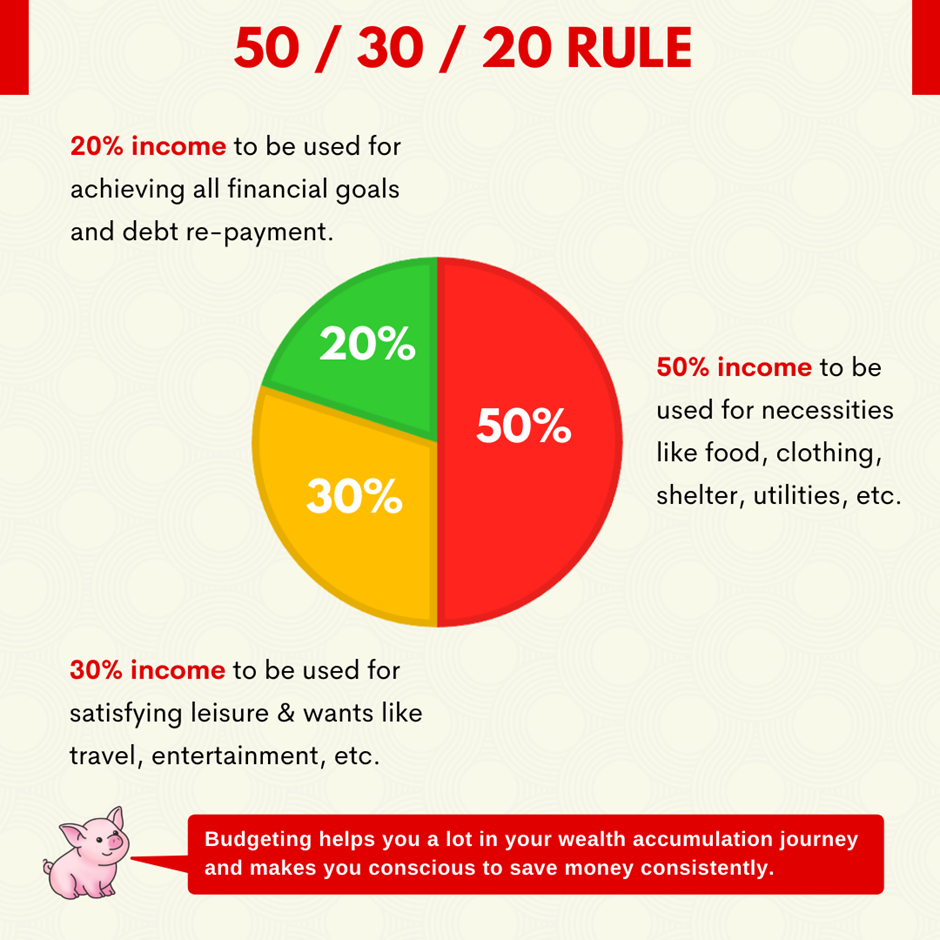
Budgeting is the process of planning your income and expenses. The 50/30/20 rule is a simple budgeting technique:
- 50% for necessities (rent, food, utilities)
- 30% for wants (entertainment, shopping)
- 20% for savings and investments
2. Saving: The Habit of Financial Discipline
- Start by setting aside a portion of your income every month.
- Maintain an emergency fund (3-6 months of expenses) to tackle unforeseen financial situations.
- Automate savings to stay consistent.
3. Investing: Growing Your Wealth
- Understand different asset classes: stocks, mutual funds, bonds, and real estate.
- Choose investments based on financial goals and risk appetite.
- Diversify your portfolio to minimize risk.
4. Understanding Credit and Debt
- Use credit cards wisely and pay bills on time to maintain a good credit score.
- Avoid excessive debt and high-interest loans.
- Differentiate between good debt (home loans, education loans) and bad debt (credit card debt, personal loans).
5. Tax Planning: Maximizing Savings
- Learn about tax-saving investment options like ELSS, PPF, and NPS.
- Utilize tax deductions under sections 80C, 80D, and 24(b) for financial benefits.
- File income tax returns (ITR) on time to stay compliant.
6. Retirement Planning: Securing Your Future
- Start investing early in retirement funds like EPF, NPS, and pension plans.
- Plan withdrawals and investments to ensure financial independence post-retirement.
7. Financial Planning for Different Life Stages
Each stage of life requires a different financial strategy.
- Early Career: Focus on saving, building credit, and starting investments.
- Mid-Career: Increase investments, purchase insurance, and plan for children’s education.
- Pre-Retirement: Pay off major debts, boost retirement savings, and diversify investments.
- Retirement: Manage withdrawals, control expenses, and ensure healthcare coverage.
8. Insurance: Protecting Your Financial Future
Insurance is a crucial aspect of financial literacy that provides financial security against uncertainties.
- Life Insurance: Ensures financial support for dependents.
- Health Insurance: Covers medical expenses and reduces financial burden.
- Disability Insurance: Protects income in case of unforeseen disability.
- Vehicle and Home Insurance: Safeguards valuable assets from accidents or disasters.
FAQs on Financial Literacy
Q1: How can I start improving my financial literacy?
A: Start by reading financial blogs, attending workshops, using financial apps, and following credible financial experts.
Q2: What are the best investments for beginners?
A: Mutual funds, index funds, fixed deposits, and government savings schemes are great starting points.
Q3: How much should I save each month?
A: Aim to save at least 20% of your income following the 50/30/20 rule.
Q4: How can I reduce my debt?
A: Prioritize high-interest debts first, avoid unnecessary borrowing, and create a structured repayment plan.
Q5: Why is financial literacy important for young professionals?
A: It helps in building good financial habits, making smart investment decisions, and securing long-term financial stability.
Financial literacy is a lifelong journey, but the sooner you start, the better your financial future will be. Keep learning, stay informed, and make your money work for you!